

Kidney Cancer Treatment in Chandigarh

Being diagnosed with kidney cancer can be overwhelming, but with timely diagnosis and the right treatment, many patients go on to lead healthy and fulfilling lives. Advances in imaging, minimally invasive surgery and robotic technology have made it possible to treat many kidney cancers effectively while preserving healthy kidney tissue whenever medically appropriate.

Get Expert Kidney Cancer Treatment

If you have been diagnosed with a kidney tumour or have been advised further evaluation after an ultrasound or CT scan, early consultation can make a significant difference.

Causes of Kidney Cancer

Kidney cancer usually develops due to a combination of genetic, environmental and lifestyle factors. While the exact cause is not always known, certain factors are associated with a higher risk of developing the disease.

What Is Kidney Cancer?

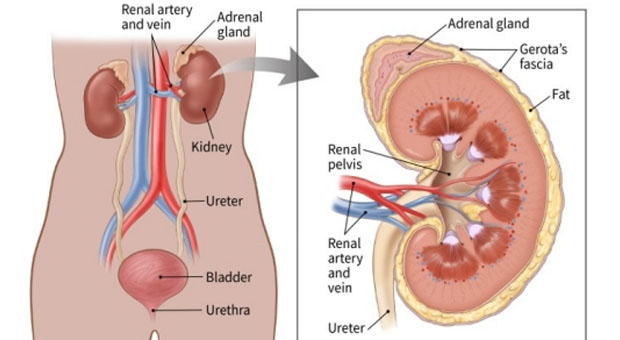
Kidney cancer develops when abnormal cells within the kidney begin to grow uncontrollably and form a tumour. The most common type is Renal Cell Carcinoma (RCC), which accounts for the majority of kidney cancers diagnosed in adults.

One of the unique challenges of kidney cancer is that it often develops silently. Many patients experience no symptoms during the early stages, and the tumour is discovered incidentally during an ultrasound, CT scan or MRI performed for an unrelated medical concern.

Not every kidney mass is cancerous. Some growths may be benign, while others require prompt treatment. This is why every kidney tumour should be carefully evaluated by an experienced urologist before deciding on the most appropriate management plan.

kidney
Kidney Health Consultation with CT Scans

Why Kidney Cancer Should Not Be Ignored

Kidney cancer often progresses silently, which means many people may not experience noticeable symptoms until the tumour has grown larger. This is why a kidney tumour discovered during a routine health check-up or imaging test should never be ignored, even if you feel completely well.

When diagnosed at an early stage, kidney cancer can often be treated successfully with surgery alone. In many patients, it is possible to preserve a significant portion of the healthy kidney while completely removing the tumour. Delaying treatment, however, may allow the cancer to grow, invade nearby structures or spread to other parts of the body, making treatment more complex.

Why Kidney Cancer Should Not Be Ignored

There is no single treatment that is suitable for every patient. The most appropriate approach depends on the size of the tumour, its location, kidney function, overall health and stage of the disease

Active Surveillance

Some very small kidney tumours grow slowly and may not require immediate surgery. In carefully selected patients, regular imaging and close monitoring may be the safest approach.

Partial Nephrectomy (Kidney-Sparing Surgery)

Whenever medically appropriate, only the tumour is removed while preserving the healthy part of the kidney. This approach helps maintain kidney function without compromising cancer treatment.

Radical Nephrectomy

If the tumour is large or involves critical structures, complete removal of the affected kidney may be recommended. Most people continue to live normal, healthy lives with one functioning kidney.

Robotic Kidney Cancer Surgery

Robotic-assisted surgery allows the surgeon to operate with exceptional precision through small incisions. For suitable patients, this approach may result in less pain, reduced blood loss, shorter hospital stay and quicker recovery compared with conventional open surgery.

Long-Term Follow-up

Treatment does not end after surgery. Regular follow-up appointments, imaging studies and blood tests are important to monitor recovery, assess kidney function and detect any recurrence at an early stage.

Why Choose Dr. Neeraj Goyal for Kidney Cancer Treatment?

Choosing the right surgeon is one of the most important decisions after a diagnosis of kidney cancer. Treatment is not just about removing a tumour—it is about preserving kidney function whenever possible, minimising surgical risks, supporting recovery and helping patients make informed decisions with confidence.

Dr. Neeraj Goyal combines clinical expertise with a personalised approach to ensure every patient receives treatment that is appropriate for their diagnosis, overall health and long-term wellbeing.

  • Personalised Treatment Planning
  • Advanced Robotic & Minimally Invasive Surgery
  • Kidney Preservation Whenever Possible
  • Evidence-Based Clinical Care
  • Clear Communication & Family Involvement
  • Comprehensive Long-Term Follow-up

Dr. Neeraj Goyal

Book a Consultation with

Dr. Neeraj Goyal

    Frequently Asked Questions

    Is every kidney tumour cancerous?

    No. Some kidney masses are benign (non-cancerous), while others are malignant. Imaging studies and, in selected cases, further evaluation help determine the nature of the tumour.

    Can kidney cancer be cured?

    When diagnosed early, many kidney cancers can be treated successfully with surgery. Early detection significantly improves treatment outcomes.

    Will my entire kidney need to be removed?

    Not always. If the tumour is small and favourably located, a partial nephrectomy may be performed to preserve the healthy part of the kidney.

    Is robotic surgery better than open surgery?

    For suitable patients, robotic-assisted surgery offers several advantages, including smaller incisions, reduced blood loss, less postoperative discomfort and quicker recovery. However, the best surgical approach depends on the individual case.

    Can I live a normal life with one kidney?

    Yes. Most people with one healthy kidney continue to lead normal, active lives. Regular follow-up and healthy lifestyle habits are important for long-term kidney health.

    Does blood in the urine always mean kidney cancer?

    No. Blood in the urine can occur due to infections, kidney stones and several other conditions. However, it should always be evaluated by a urologist.

    How long is the recovery after kidney cancer surgery?

    Recovery varies depending on the type of surgery performed and individual health. Patients undergoing minimally invasive surgery often recover sooner than those undergoing traditional open surgery.

    Will I need chemotherapy or radiation therapy?

    Most kidney cancers are treated primarily with surgery. Some advanced cases may require targeted therapy, immunotherapy or other treatments based on the stage of the disease.

    How often will I need follow-up after treatment?

    Follow-up schedules vary depending on the stage of cancer and the treatment received. Regular imaging and clinical reviews help monitor recovery and detect recurrence early.

    When should I consult a kidney cancer specialist?

    You should seek specialist evaluation if you have blood in the urine, persistent pain in the side, an unexplained kidney mass or have been diagnosed with a kidney tumour during imaging.

    Take the Next Step Towards Expert Kidney Cancer Care

    Whether you have recently been diagnosed, need a second opinion or would like to understand your treatment options, Dr. Neeraj Goyal will guide you through every stage of your care with clarity, compassion and clinical expertise.