

Enlarged Prostate (BPH) Treatment in Chandigarh

Frequent urination, a weak urine stream, difficulty passing urine or waking up multiple times during the night are often dismissed as a normal part of ageing. In many cases, however, these symptoms are caused by an enlarged prostate, also known as Benign Prostatic Hyperplasia (BPH).

Get Expert Care for Enlarged Prostate

If urinary symptoms are affecting your daily life, don’t ignore them. Early diagnosis and timely treatment can help prevent complications and improve your quality of life.

Causes & Risk Factors of Enlarged Prostate

Benign Prostatic Hyperplasia (BPH) develops gradually as men age. While the exact cause is not completely understood, several factors are known to increase the likelihood of prostate enlargement.

What Is an Enlarged Prostate (BPH)?

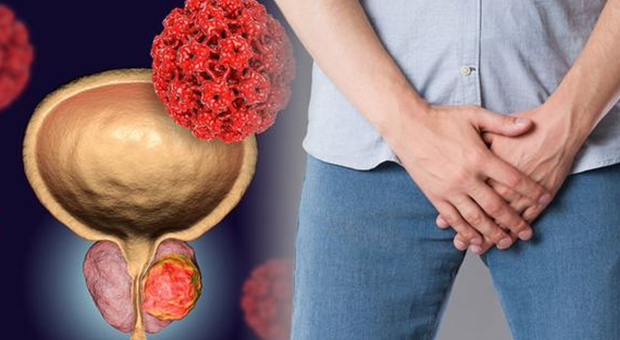
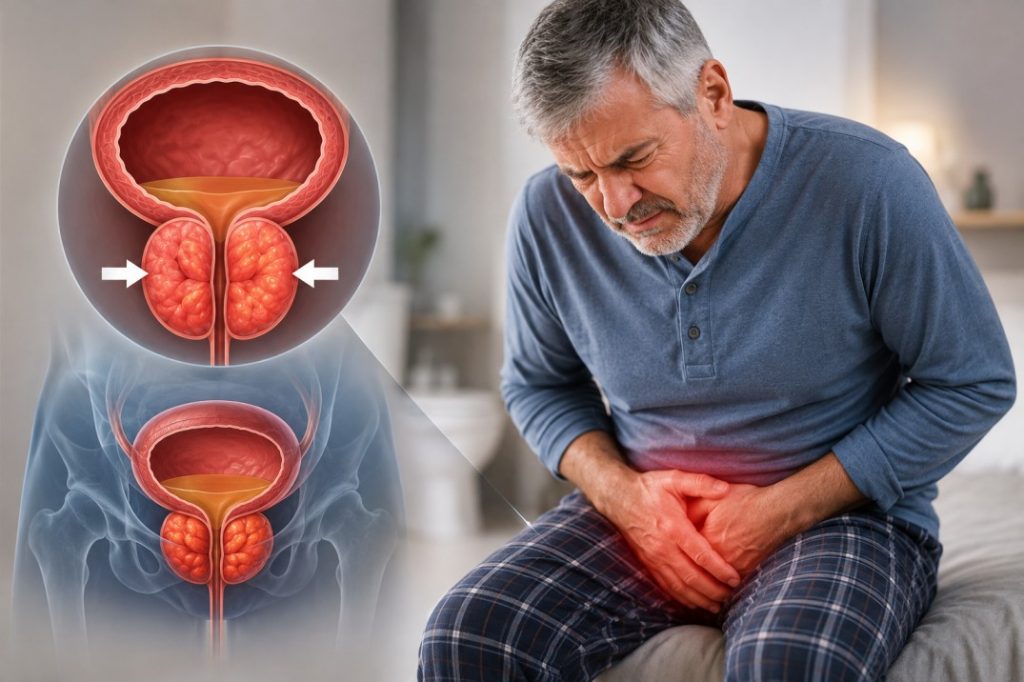
The prostate is a small gland located below the bladder and surrounds the urethra, the tube that carries urine out of the body. As men age, the prostate may gradually increase in size. This non-cancerous enlargement is known as Benign Prostatic Hyperplasia (BPH).

As the prostate enlarges, it can compress the urethra and restrict the normal flow of urine. This leads to a range of urinary symptoms that may worsen over time if left untreated.

It is important to understand that BPH is not prostate cancer, and having an enlarged prostate does not necessarily increase your risk of developing prostate cancer. However, because the symptoms of different prostate conditions can overlap, a proper medical evaluation is essential for an accurate diagnosis.

prostateproblems
Enlarged Prostate

Why an Enlarged Prostate Should Not Be Ignored

Many men gradually adapt to urinary symptoms and assume they are a normal part of ageing. However, persistent urinary problems should never be ignored. While Benign Prostatic Hyperplasia (BPH) is not cancer, it can progressively affect bladder function and overall urinary health if left untreated.

As the enlarged prostate continues to obstruct the flow of urine, the bladder has to work harder to empty itself. Over time, this extra strain can weaken the bladder muscles and lead to incomplete bladder emptying. In more advanced cases, it may result in urinary retention, recurrent urinary tract infections, bladder stones or even kidney damage due to long-standing obstruction.

Treatment Options for an Enlarged Prostate

Treatment for BPH depends on the severity of symptoms, prostate size, bladder function and overall health. The goal is to improve urinary flow, relieve symptoms and prevent future complications.

Medications

Several medications can relax the muscles around the prostate or reduce its size over time. Medicines are often recommended for patients with mild to moderate symptoms and may delay or avoid the need for surgery.

Rezum Water Vapour Therapy

Rezum is a minimally invasive treatment that uses the natural energy stored in water vapour to shrink enlarged prostate tissue. It is performed without major incisions and is suitable for selected patients seeking an effective alternative to traditional surgery.

Laser Prostate Surgery

Laser surgery removes obstructing prostate tissue using advanced laser technology, improving urine flow while minimising bleeding and supporting faster recovery. It is particularly beneficial for many patients with moderate to large prostates.

HoLEP (Holmium Laser Enucleation of the Prostate)

For larger prostates, HoLEP offers complete removal of obstructing tissue through a minimally invasive approach. It provides durable symptom relief and excellent long-term outcomes in appropriately selected patients.

Surgical Treatment

When symptoms are severe or complications such as urinary retention, bladder stones or recurrent infections develop, surgery may be the most appropriate treatment to restore normal urinary function.

Why Choose Dr. Neeraj Goyal?

Choosing the right urologist is important because treatment should be based on your symptoms, prostate size, overall health and long-term expectations rather than a one-size-fits-all approach.

Dr. Neeraj Goyal believes in offering treatment only when it is truly needed and selecting the most appropriate option for each individual patient.

  • Individualised Treatment Planning
  • Advanced Minimally Invasive Treatments
  • Evidence-Based Clinical Care
  • Focus on Preserving Quality of Life
  • Clear Communication & Shared Decision-Making
  • Long-Term Follow-up

Dr. Neeraj Goyal

Book a Consultation with

Dr. Neeraj Goyal

    Frequently Asked Questions

    Is an enlarged prostate the same as prostate cancer?

    No. Benign Prostatic Hyperplasia (BPH) is a non-cancerous enlargement of the prostate. Although both conditions may occur in older men, they are different diseases and require separate evaluation.

    Does every enlarged prostate require surgery?

    No. Many men can be managed successfully with lifestyle changes or medications. Surgery is recommended only when symptoms become bothersome or complications develop.

    Can BPH become prostate cancer?

    No. BPH does not turn into prostate cancer. However, because symptoms can overlap, proper medical evaluation is important.

    What is the best treatment for BPH?

    The best treatment depends on your symptoms, prostate size, age, overall health and personal preferences. There is no single treatment that suits every patient.

    Is Laser Prostate Surgery painful?

    The procedure is performed under anaesthesia. Most patients experience only mild discomfort during recovery and return to normal activities relatively quickly.

    What is Rezum Therapy?

    Rezum Therapy is a minimally invasive treatment that uses the natural energy stored in water vapour to reduce enlarged prostate tissue without major surgery in suitable patients.

    How long does recovery take?

    Recovery varies depending on the treatment performed. Many patients resume normal daily activities within a short period after minimally invasive procedures.

    Will urinary symptoms return after treatment?

    Many patients experience long-lasting relief. However, regular follow-up is recommended to monitor prostate health over time.

    When should I consult a urologist?

    If urinary symptoms interfere with your daily life, you notice blood in the urine or you are unable to pass urine, you should seek medical attention promptly.

    Can lifestyle changes help?

    Yes. Maintaining a healthy weight, staying physically active, limiting caffeine and alcohol, managing diabetes and following medical advice can support prostate health.

    Take Control of Your Urinary Health

    If you are experiencing symptoms of an enlarged prostate or have been advised further evaluation, schedule a consultation with Dr. Neeraj Goyal to receive a personalised assessment and discuss the most appropriate treatment options.